

Jeremy (leader of Stoke Tours) has been looking at the various faiths we are encountering and trying to work out just what some of the basic tenets and origins are.  Here is his guest blog post:
As Phylli has been keeping her loyal readership informed of her observations on our daily interaction with India, a number of wider questions have bubbled to the surface, which are probably better treated outside her normal blog:
1. Are Hindus an ethnic group?
2. Is Hinduism a religion or mythology? How many gods do they have?
3. Where does Yoga fit in?
4. Did Buddhism precede or proceed Hinduism?
5. What is Jainism?
6. Are the Sikhs an ethnic group or a religion?
7. After Partition in 1947, did any Muslims remain in India?
As Phylli’s readership is so intelligent, well read, knowledgeable and avidly inquisitorial on their holidays (!) I am sure they will all know the answers to these questions. However, for the few like me, who do not (or would like to mark my humble and more than likely inaccurate précis below with a red pen), please read on!
Today, I am going to try to cover the basics of Hinduism in no more than 5 pages!! Interspersed over the next 4 weeks, I will try to address the other questions in a similar fashion (plus any other philosophical questions our readers would like to raise while we are here!!)
HINDUISM
Firstly, the word Hindu is derived from the Sanskrit word ‘Sindhu’ – defining peoples from beyond the Indus River in N.W.India (now Pakistan). Hence, the early name of Hindustan for India – the land of the Hindu people. However, this covered a huge multitude of ethnic groups of people and tribes.
My summary is that Hinduism is more a way of life than a religion (as we understand religion in the West). It is a fusion or synthesis of various Indian cultures and traditions, dating back about 4000 years, as these key features demonstrate:
- No founder
- No supreme ecclesiastical authority
- No head of church, with the authority to define belief or establish official practices
- No one single book laying down the rules, like the Bible or the Koran
Hinduism, therefore, has had the unique ability to assimilate other faiths rather than oppose them. According to the great Indian philosopher and former president of India, S.Radhakrishnan, religion for the Hindhu “ is not an idea but a power, not an intellectual proposition but a life conviction. Religion is consciousness of ultimate reality, not a theory about God”.
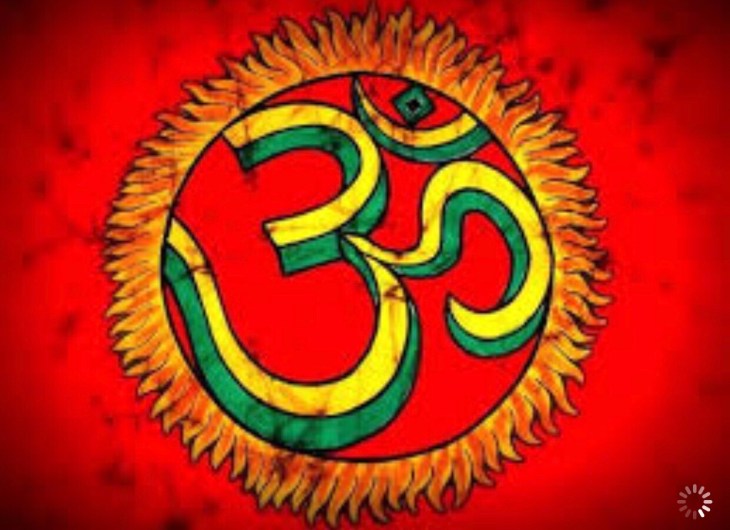
Hindu concepts and ideas:
The origins of the central philosophical concepts, ideas and teachings that would develop into what we now understand as Hinduism are to be found in the sanskrit Vedas and Upanishads, dating orally from around 1000 – 200 BC.
Most Hindus believe in 4 major human goals:
- ‘Dharma’ – the ethics and duties of your position in life
- ‘Artha’ – material prosperity
- ‘Kama’ – the satisfaction of desires/passions
- ‘Moksha’ – liberation/freedom/salvation (later also known as Nirvana)
Hindus believe in the cycle of rebirth (‘Samsara’) until we break that cycle and achieve liberation to Moksha/Nirvana. Central to the idea of liberation is the concept of ‘Atman’ – individual self/soul and ‘Karma’ – “the effect of actions (thought, word or deed) in a former life”.
We are prevented from reaching Moksha due to ‘Maya’ (temptations) of wealth, property, jealousy, hatred etc. Most major schools of Indian philosophy have devoted most of their attention on how to avoid Maya and seek Moksha. One of the best known is Yoga (and many others not covered here).
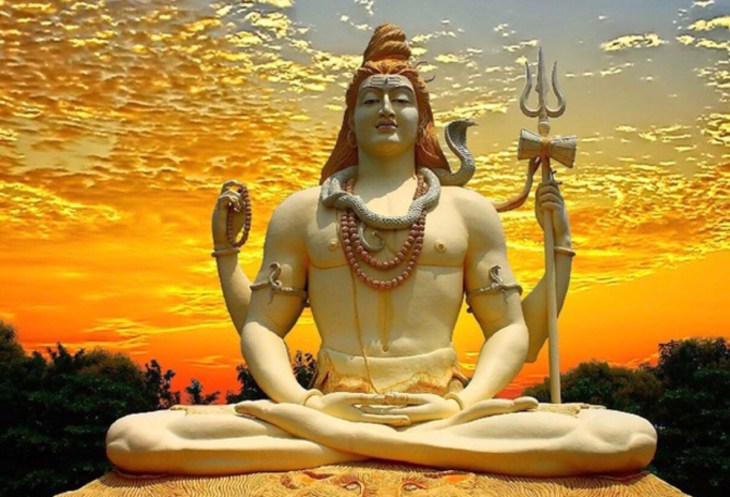
Yoga can be traced back to 3rd century AD. It seeks a synthesis of the spirit, the soul and the flesh – a union of mind and body. It is concerned with systems of meditation and self denial that leads to the realisation of oneself and can ultimately release one from the cycle of rebirth. In one text I read, Hindus believe that one needs to achieve 52 million rebirths before one becomes human and therefore, our time as a human should not be wasted!! Wise words.
Hindu Gods or Deities
It is said that Hinduism has as many Gods as you want to believe in! The major sanskrit works : the Ramayana and the Mahabharata (started around the 5th – 3rd century BC but not completed for another 500 – 700 years) tell of many mythological stories, including most of the revered Hindu Gods and their offspring.
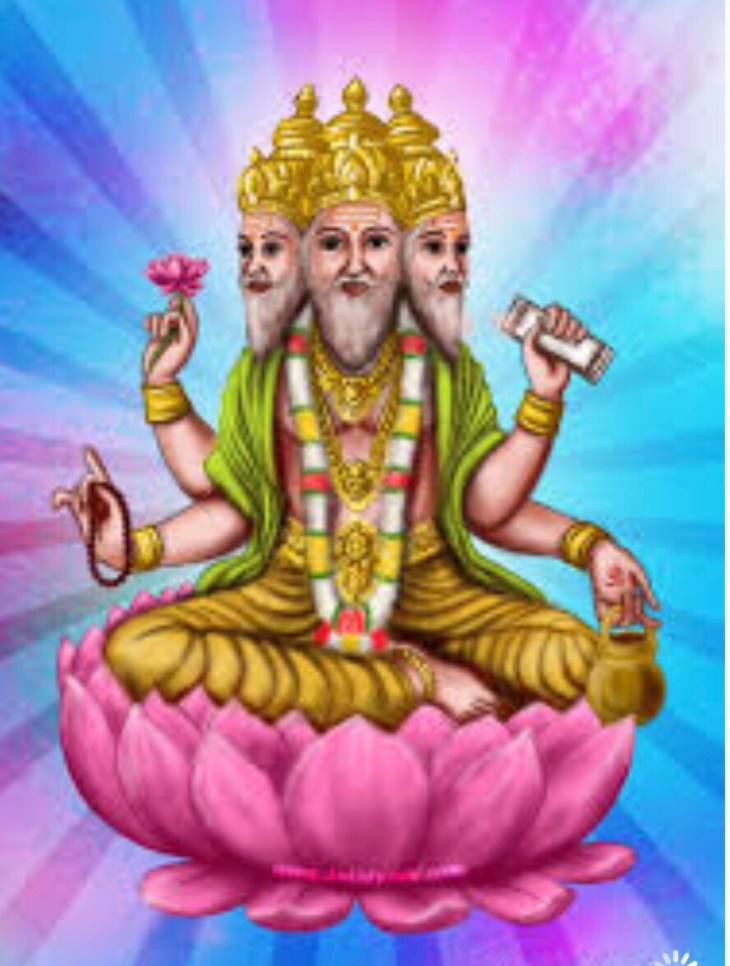
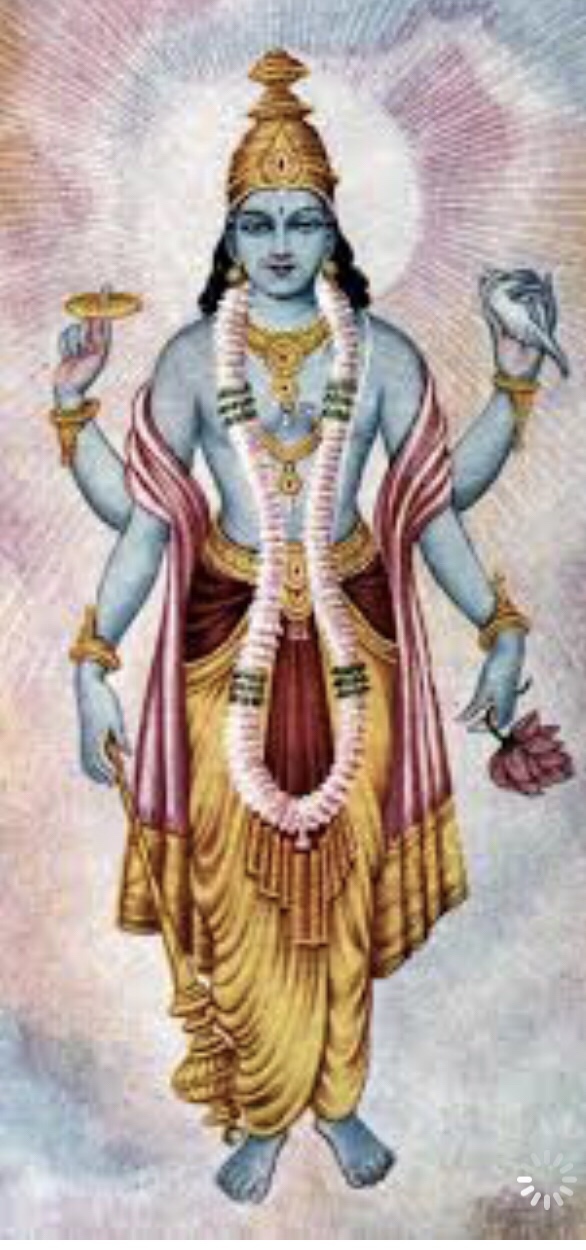
Central to all Hindu thinking is the concept of Brahman (not to be confused with the Brahmin caste – see later) – the omnipresent cosmic power – the supreme soul of the universe. All things emanate from it and all things return to it. Each human being carries within him a part of this eternal soul ie our ‘atman’. As it is difficult to relate to an identity that doesn’t have form, the Brahman has been divided into 3 phases of existence :
- Brahma – God of Creation. Consort : Saraswati (knowledge)
- Vishnu – God of Preservation. Consorts : Prithvi (earth) and Lakshmi (wealth)
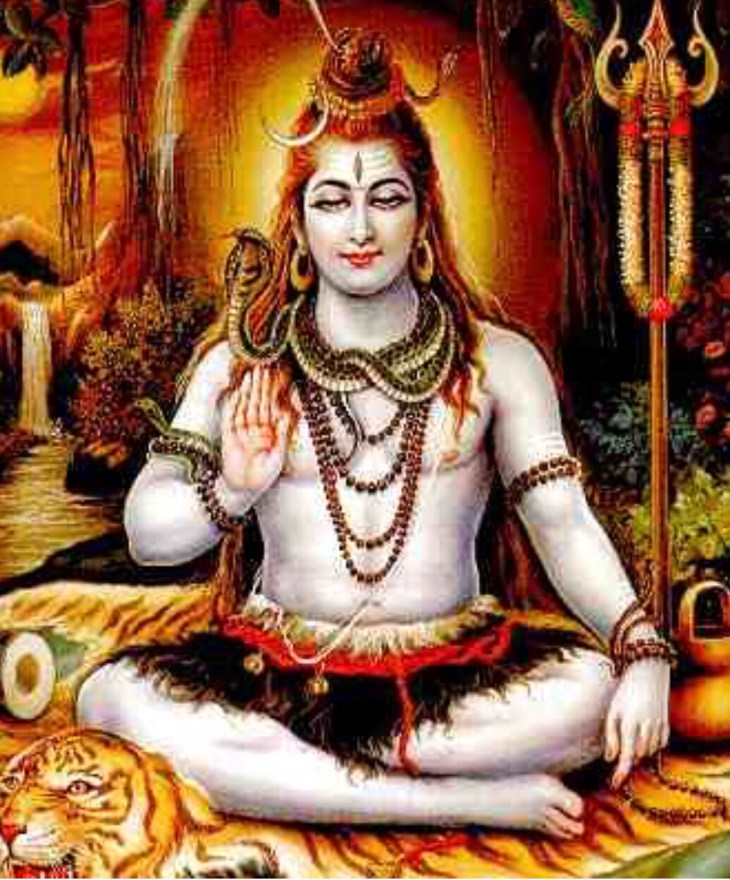
- Shiva – God of Destruction. Consort : Parvati (cosmic energy)
Vishnu (also known as Narayan) has been reincarnated 9 times and so has different temples dedicated to the various incarnations : Matsaya (the fish), Kumar (the tortoise), Varaha (the boar), Narasimha (half man, half lion), Vamana (the dwarf), Parshurama (the axe-bearing ram), Rama (in human form), Krishna (also human form) and Buddha. He is expected a 10th time as Kalki. Perhaps best known are Rama and Krishna.
It may surprise some readers to find Buddha in the list. As stated earlier, Hinduism has had the ability to assimilate other religions, so some scholars belief this inclusion of Buddha is a cunning ploy to retain followers of Buddha within the Hindu family.
Shiva is characterised by powerful attributes in many different guises (Parvati, his consort too, in many guises).
As Rudra – he is the destroyer. As Shiva, he is the reproductive power that continuously restores what has been destroyed. The symbol of creation is the lingam (phallus), while the female organ (yoni) represents the female energy of Shakti, often worship in female form as Durga or Kali
[Note : there is much worship of female gods that led to the development of Tantric practices, which may be covered in a later blog unless deleted by the editor!!]
A couple of important deities emanating from Shiva are :
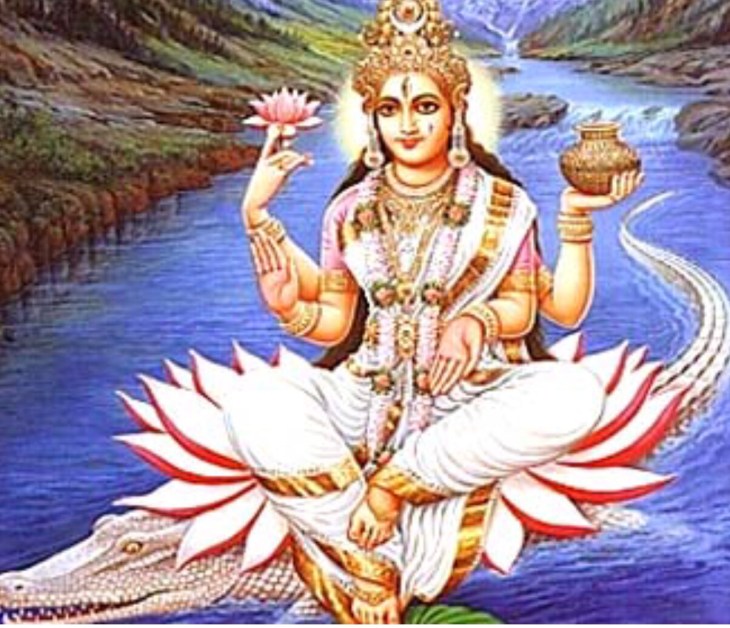
(1) Ganga (the river goddess who is celebrated at evening Aarti), who fell out of heaven to earth and whose fall was broken by falling on Shiva’s tresses.
(2) Ganesha – born to Shiva and Parvati but with an elephant’s head (one of our yachts chartered on flotilla was called Ganesha)

From very early times, anything that had an influence on peoples’ lives was venerated, so there a many other gods:
1. Indra (the rain god)
2. Chandra (the moon god)
3. Surya (the sun god). And for Archers fans, his wife Usha – goddess of dawn, daughter of heaven and sister of the night
4. Agni (god of fire)
5. Pavan (god of wind)
6. Hanuman (son of Pavan) – known for his strength and ability to fly
[That’s enough on Gods, thanks – Ed]
The Caste System
This summary of Hinduism wouldn’t be complete without a brief description of the caste system. Unique to Hinduism. It can be traced back to the early stages of their civilisation. Originally based on the colour of ones skin! The fair skinned Aryans had conquered the dark skinned Dravidians and as society began to develop 4000 years ago it was divided into 4 sections:
1. Brahmins – priests and teachers
2. Kshatriayas – Warrior caste, maintaining law and order
3. Vaishyas – Traders
4. Shudras – Cleaning and sanitation, living on the outskirts of the village
We also know this last caste as the Untouchables, the Dalits or as Mahatma Gandi called them – Hariyans (God’s people).
The caste system has remained deeply embedded in Indian society until the last 40 years. The Indian Constitution (post 1947) makes it illegal to discriminate against a person on the basis of their colour or caste. In the metropolitan centres it is certainly dying out, but I am told still has a strong hold in village life where more than 75% of Indians still live.
There is no doubt that nearly all those we have met and seen regard Hinduism is both a way of life as well as a religion and it is evidently widely practised.
How that fits in with the continuing caste system, worshipping multiple gods and idols, as well as the other major faiths in India – Muslims, Sikhs, Christians and other sects – will attempt to be covered over the next 4 weeks.
JMS
Written at Jim’s Jungle Retreat, Ramnagar. 5th April 2018
 Stoke Tours
Jeremy : My red pen didn’t work so well on my phone screen , so I will print out your history of Indian religions and faiths instead and keep it at my bedside in a sturdy ring binder where I can notate it more easily ……….
LikeLiked by 1 person